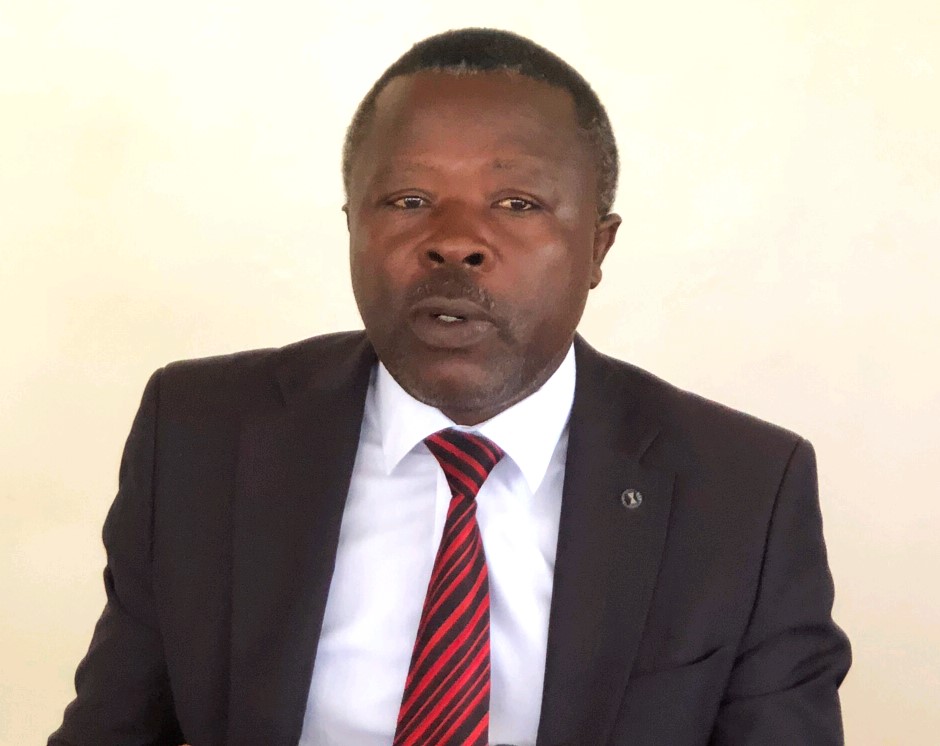
Standfirst: The court-mediated settlement of the Bugisu cultural institution leadership dispute demonstrates that African jurisprudence, founded on reconciliation and community healing, remains a powerful alternative to adversarial litigation, argues legal scholar Steven Masiga.
By Steven Masiga
The reconciliation theory of law, which prioritises healing over punitive, adversarial, state-driven retribution, is deeply rooted in African jurisprudence. It views law as a tool for restoring social harmony rather than merely punishing offenders. This philosophy is grounded in principles such as Ubuntu, Ubuntu Bulamu, and, in the Lumasaba context, Butwela.
The reconciliation theory of law is anchored in indigenous ontological frameworks that treat justice as a communal and restorative process.
Recently, while participating in the mediation of the Bugisu cultural institution leadership dispute on behalf of His Highness the Umukuka, I witnessed this philosophy in action. During proceedings in the High Court chambers, an elderly man in his early 80s confronted me before the judges appointed by the Judiciary to mediate the dispute.
In the true spirit of African jurisprudence and reconciliation, I chose to forgive him. Had I followed the dictates of the Western adversarial legal system, Eng. Sakwa could have been arrested and prosecuted on allegations bordering on assault, battery and contempt of court. Instead, I chose peace over adversarial litigation.

Even God forgave Satan despite his transgressions against humanity. As a people, we should always choose peace over vengeance. A vengeful community is unworthy of that label.
The reconciliation theory of law holds that the primary objective of any legal system should be restoring social harmony and healing communities rather than inflicting retributive punishment. The essence of conflict resolution is to repair broken relationships, with reintegration taking precedence over isolation.
When the Bamasaba resolved their cultural differences, we witnessed handshakes between groups that had long stood on opposing sides. It is my prayer that we do not retreat from this historic and binding court-mediated settlement.
An old African proverb reminds us that “Buffaloes are held by their horns, but men are held by their words.” Let nothing distract us from the covenant reached through the Judiciary-mediated settlement of July 2026 between the Bamasaba and all parties to the cultural institution dispute.
Anyone who chooses to disregard that agreement should bear the consequences of their own actions. I hope no one will undermine or gloss over the terms of this important settlement.
Politicians, regardless of their affiliations, should not be allowed to desecrate cultural institutions. What recently transpired during the Imbalu launch at Mutoto was regrettable, and those responsible for acts of hooliganism should apologise without delay. We cannot allow anyone to make a mockery of the peace that has finally returned to Bugisu.

I am humbled to have played a role in initiating this peace process. At a time when many preferred confrontation, I petitioned for the Bugisu cultural disputes to be resolved through mediation. My invitation to Munyonyo by the Chief Justice, His Lordship Alfonse Owiny-Dollo, was worthwhile.
Prof. Khaukha and all those who worked behind the scenes deserve recognition for their contribution. Special appreciation also goes to the mediation panel led by former Deputy Chief Justice, His Lordship Richard Buteera, whose leadership guided the process towards a peaceful resolution.
Before the settlement, the cultural institution leadership and the opposing parties had more than 100 cases pending against each other. Today, those disputes have been extinguished through African methods of dispute resolution, and we once again stand together as one community under one cultural leader.
Bugisu now has one recognised cultural leader instead of the multiple competing claimants that existed before the court-mediated settlement. The unauthorised cultural regalia have been put away, signalling the end of an unfortunate chapter.
Going forward, I encourage the cultural leadership to embrace reconciliation by reintegrating some of our brothers into the institution’s leadership structures. We may not accommodate everyone, but we must remain committed to unity, healing and lasting peace.
The writer is a legal scholar and Spokesperson of the Bamasaba Cultural Institution.
If you would like your article/opinion to be published on Uganda’s most authoritative news platform, send your submission on: [email protected]. You can also follow DailyExpress on WhatsApp and on Twitter (X) for realtime updates.